Art has always carried two parallel lives: the singular object hanging in a gallery and the image that escapes beyond it, reproducing itself across culture until it becomes impossible to ignore. Homoerotic art exists inside that tension. For generations, queer artists used painting, photography, illustration, and printmaking to preserve desire in a world that tried to erase it. What once circulated secretly through underground magazines, coded illustrations, and hidden archives now moves freely through digital culture, commerce, and mass visual language.
The Bold Evolution of Homoerotic Art: A Journey from Tom of Finland to AI Innovations – Homoerotic Art – Presented by HARD NEW YORK
From Counterculture to Pop Language
Artists such as Tom of Finland and Andy Warhol transformed queer visual culture by refusing invisibility. Their work elevated gay sexuality from coded subtext into unmistakable iconography. Tom of Finland mythologized masculine fantasy through exaggerated physiques, leather, uniforms, and erotic confidence, while Warhol blurred the boundaries between celebrity culture, sexuality, mass production, and fine art.
What connected their practices was not merely provocation. It was accessibility. Reproduction became part of the artwork itself. Prints, magazines, posters, and commercial circulation allowed queer imagery to travel far beyond elite gallery walls and into everyday life. Visibility became cultural architecture.

AI as a Fine Art Expansion Tool
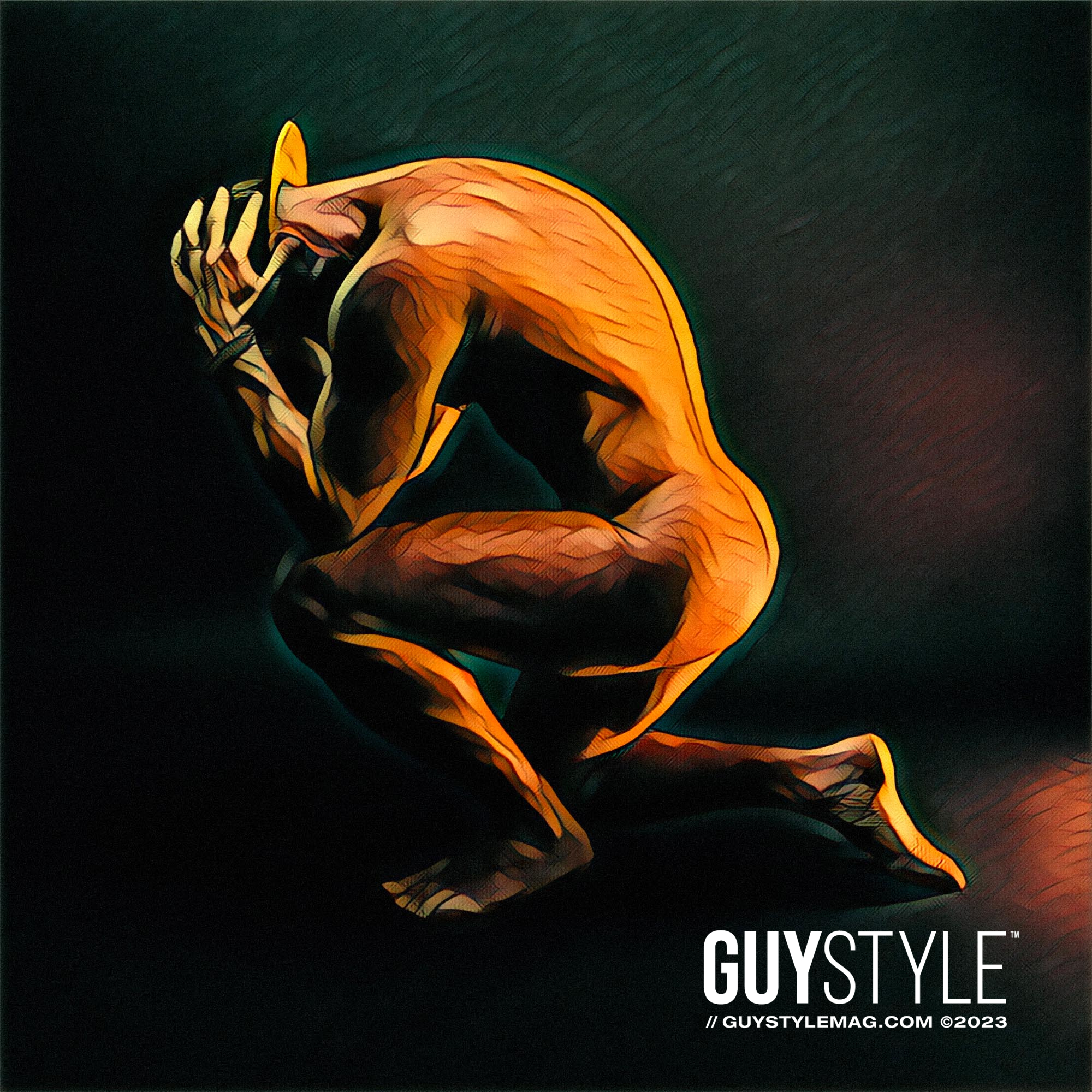
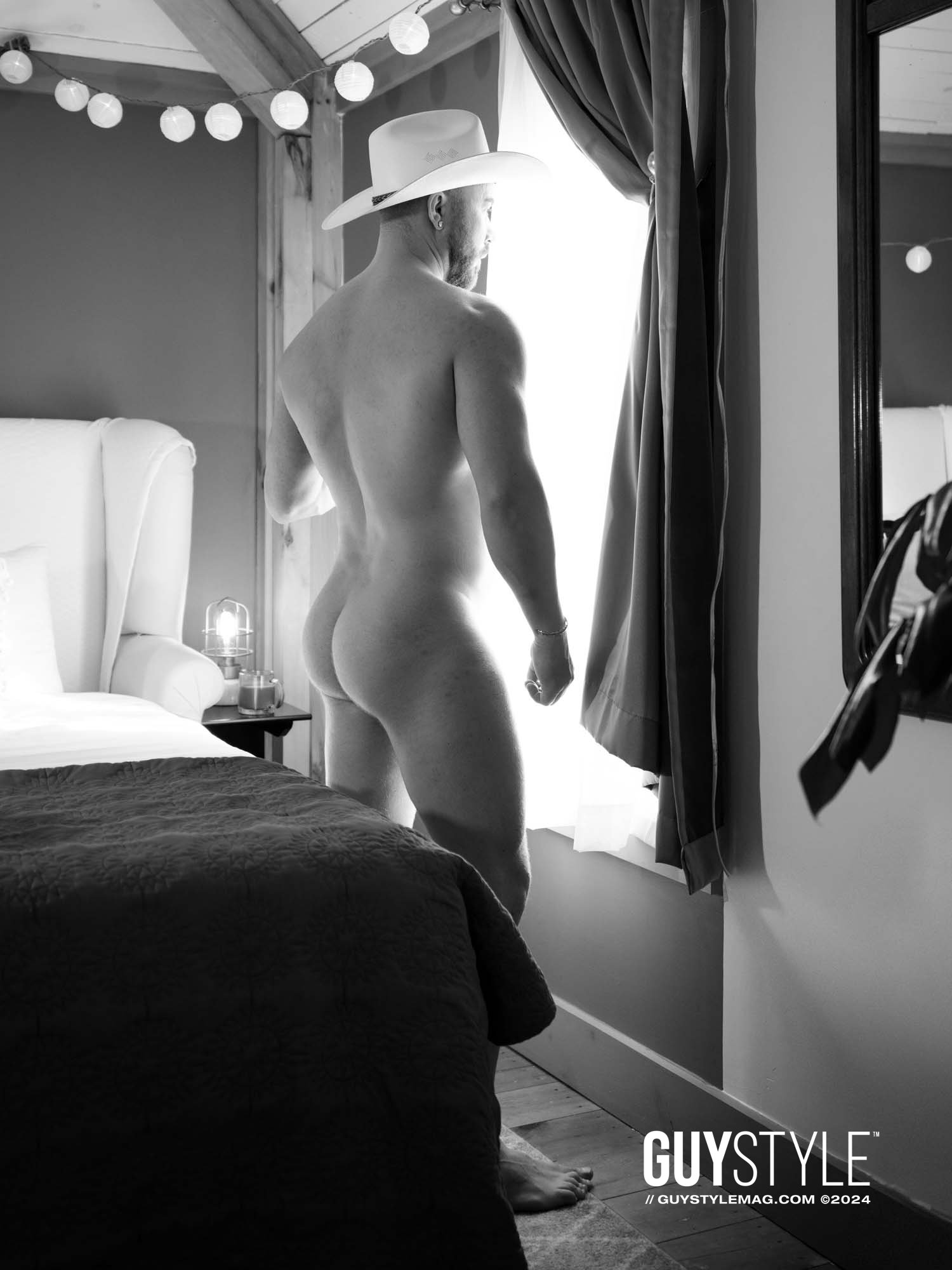
In the contemporary digital era, Maxwell Alexander approaches AI not as a replacement for artmaking, but as an expansion of fine art photography into a new visual language shaped by pop aesthetics, reproducibility, and emotional immediacy. His original nude self-portraits and homoerotic photography become source material for AI-assisted reinterpretations that resemble paintings, graphic illustrations, experimental print work, and contemporary queer iconography.
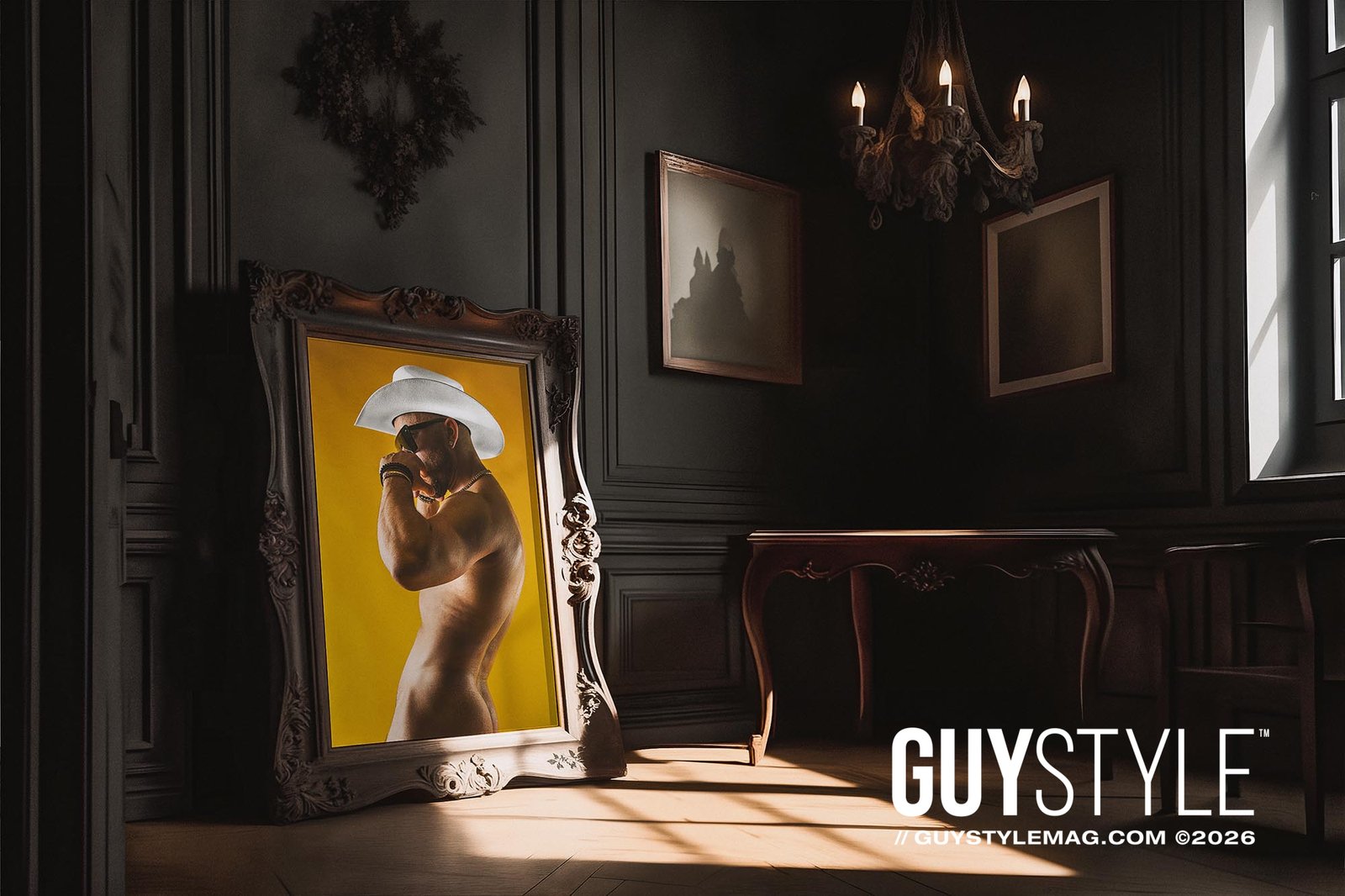
The process democratizes the artwork. A singular photograph evolves into something that can circulate more freely through prints, posters, digital media, fashion objects, and collectible commercial formats without losing its emotional weight. The gallery wall remains part of the conversation, yet the work also enters bedrooms, apartments, phones, and everyday visual culture where queer representation gains broader reach.

Rather than isolating homoerotic art within purely academic or underground spaces, the work intentionally engages with commerce, branding, internet culture, and reproducible media. Distribution itself becomes part of the artistic philosophy. Mass visibility softens fear. Familiarity creates cultural tolerance. Art that enters daily life gains the ability to reshape perception more effectively than work hidden behind institutional barriers.
The Male Form Reimagined Through Digital Pop Art
Alexander’s compositions draw from bodybuilding aesthetics, classical sculpture, queer nightlife, fashion photography, and pop surrealism. Athletic male bodies appear simultaneously monumental and vulnerable, rendered through vivid textures, heightened color palettes, dramatic lighting, and painterly AI transformations that move beyond documentary photography into fantasy construction.

Educated at the School of Visual Arts in New York City, Alexander approaches lighting, composition, anatomy, and visual rhythm from a fine art foundation rooted in photography and painting. AI extends that vocabulary into a hybrid medium where photography becomes raw pigment for digital reconstruction.
The resulting works exist somewhere between queer mythology, commercial print culture, erotic portraiture, and contemporary pop art. Explicit sexuality remains present, yet the larger focus centers on visibility, softness, fantasy, masculinity, and liberation from inherited shame.

Art, Commerce, and Cultural Reach
The relationship between fine art and commerce has always been complicated, yet reproduction remains one of the most powerful tools for cultural change. Prints, posters, magazines, books, apparel, and digital circulation allow difficult conversations to travel further than isolated gallery exhibitions ever could.
Within that framework, homoerotic art becomes more than provocation. It becomes visibility woven into contemporary life. The work reaches wider audiences not by diluting its message, but by translating fine art photography into forms that people can collect, live with, share, and emotionally connect to across different social spaces.

Is AI Saving or Erasing Queer Art History?
The answer may already exist inside the evolution of queer art itself. Homoerotic art has always adapted to the technologies of reproduction available at the time: underground zines, Polaroids, physique magazines, offset printing, VHS culture, Tumblr archives, digital photography, and now AI-assisted visual transformation. The medium changes, yet the mission remains remarkably consistent — visibility, desire, survival, and cultural presence.
For artists like Maxwell Alexander, AI functions less as a replacement for queer artistry and more as a continuation of pop art’s longstanding relationship with replication and accessibility. His original homoerotic photography becomes raw visual material for painterly reinterpretations that expand beyond the limits of traditional fine art distribution. The work travels through posters, postcard-sized prints, collectible objects, digital culture, and intimate personal spaces where queer representation can quietly reshape perception.
What some critics misunderstand is that democratization has always been central to queer survival. Art hidden exclusively inside elite institutions rarely changes culture at scale. Art that circulates through bedrooms, gift exchanges, apartments, nightlife, dorm rooms, bookstores, and everyday visual life gains emotional permanence. Commerce, reproduction, and accessibility become mechanisms of cultural endurance rather than enemies of artistic integrity.
The AI-assisted transformation of queer photography into pop-inspired collectible art allows homoerotic imagery to move fluidly between fine art and contemporary visual culture without surrendering its emotional or political charge. Instead of erasing queer art history, the technology extends its reach into a generation raised inside image-sharing ecosystems where visibility itself remains an act of resistance.

Pride 2026 and the Return of Meaningful Queer Gifts
During Pride Month 2026, when rainbow branding floods corporate campaigns and mass-produced merchandise dominates social feeds, the most meaningful gifts often carry intimacy, authorship, and cultural memory. The postcard-sized homoerotic art prints from HARD NEW YORK Gallery offer something far more personal than disposable seasonal branding: collectible queer art rooted in visibility, sensuality, body positivity, and creative freedom.

These small-format works by Maxwell Alexander transform fine art homoerotic photography into accessible contemporary queer pop art designed to live inside real spaces — pinned beside mirrors, framed near beds, tucked into books, mailed between lovers, displayed in apartments, or gifted quietly between friends who understand the emotional importance of representation. Their scale makes them intimate. Their message makes them powerful.

At a moment when LGBTQ+ visibility continues to face political backlash across parts of the world, supporting queer artists through commerce becomes part of sustaining queer culture itself. Purchasing and gifting these collectible Pride 2026 art prints helps independent queer art thrive outside corporate gatekeeping while expanding the reach of homoerotic fine art into wider audiences and younger generations.

Each print becomes more than decoration. It becomes participation in a larger cultural lineage connected to gay rights, queer liberation, equality, artistic freedom, and the ongoing dismantling of patriarchal systems that historically attempted to suppress queer desire and queer bodies. One small artwork entering one new home may seem subtle, yet cultural change has always moved through intimate spaces before transforming public consciousness.