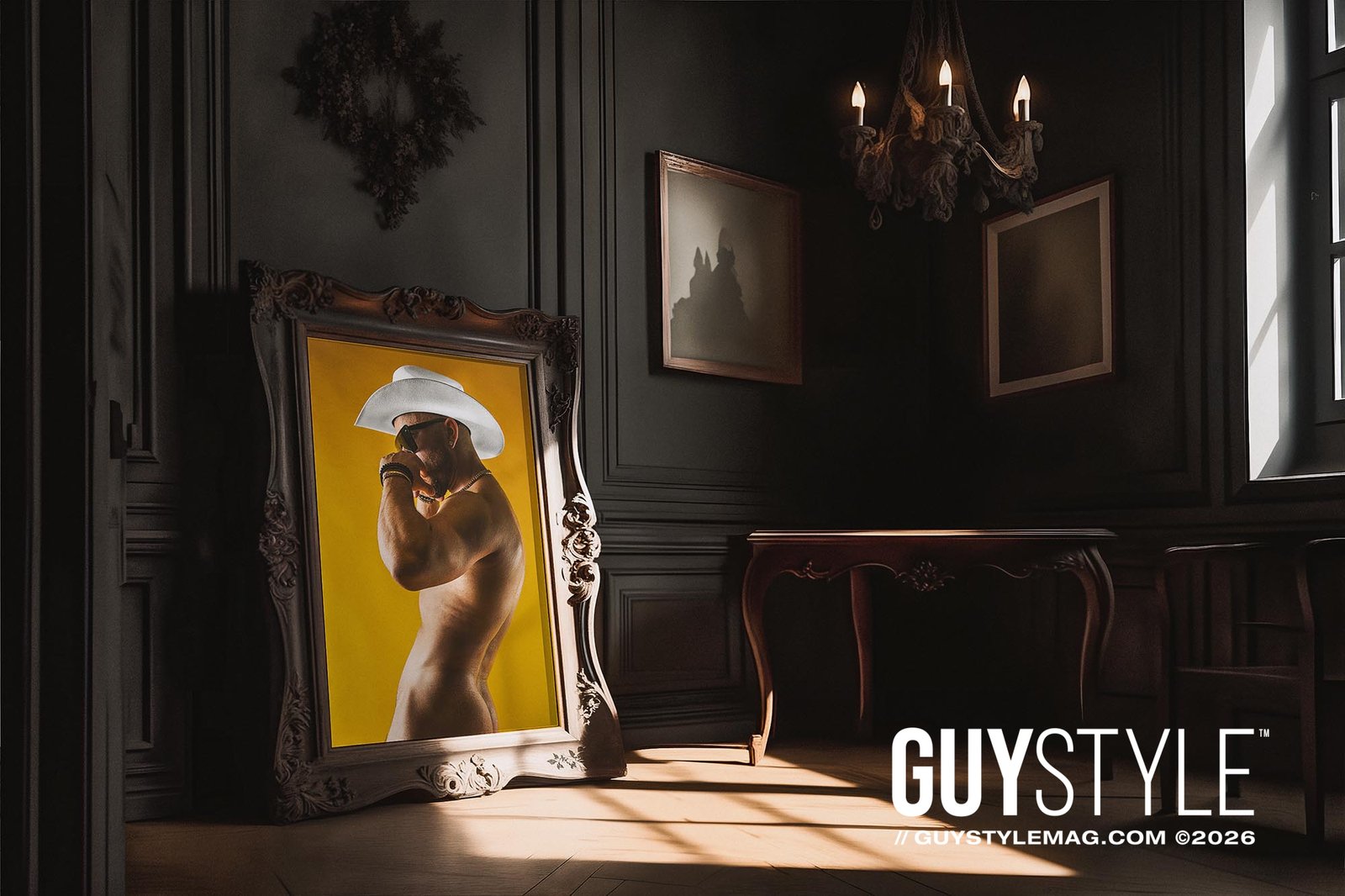
Masculinity has long been narrated as a discipline rather than a pleasure: a posture held, a jaw clenched, a silence rewarded. I came of age knowing that my body—its softness, its hunger, its desire to be seen—already violated that script. My work as an artist and writer grew from that fracture. Across my essays for Guy Style Mag, my cultural writing in Hudson Valley Style Magazine, and my visual practice through Duncan Avenue Studios, I have treated the male form as both subject and sentence: a way of speaking publicly about what men are taught to bury.
Modern Masculinity, Rewritten: Notes from a Queer Body in Public – by Artist/Activist Maxwell Alexander, MA/BFA – Presented by Duncan Avenue Studios

The Male Body Learns to Speak
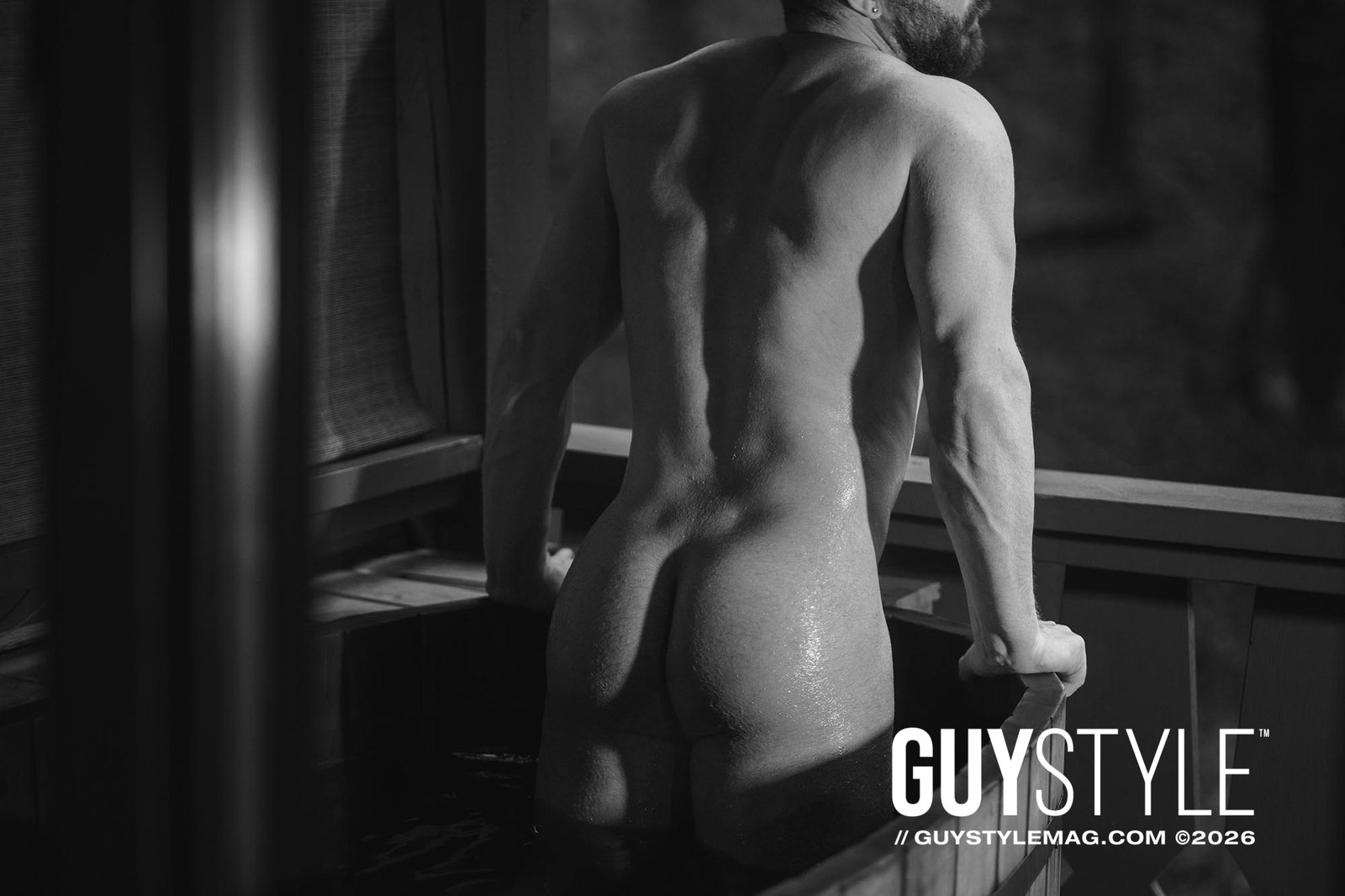
The male body has rarely been allowed to narrate itself. It has been photographed, disciplined, commodified, worshipped, and feared—but rarely permitted to speak with its own erotic intelligence intact. In my writing and visual work for Guy Style Mag, the body becomes evidence rather than performance. Muscles carry memory. Desire carries history. To show a man naked and unashamed remains a radical gesture precisely because masculinity still depends on concealment.

Desire, Unedited
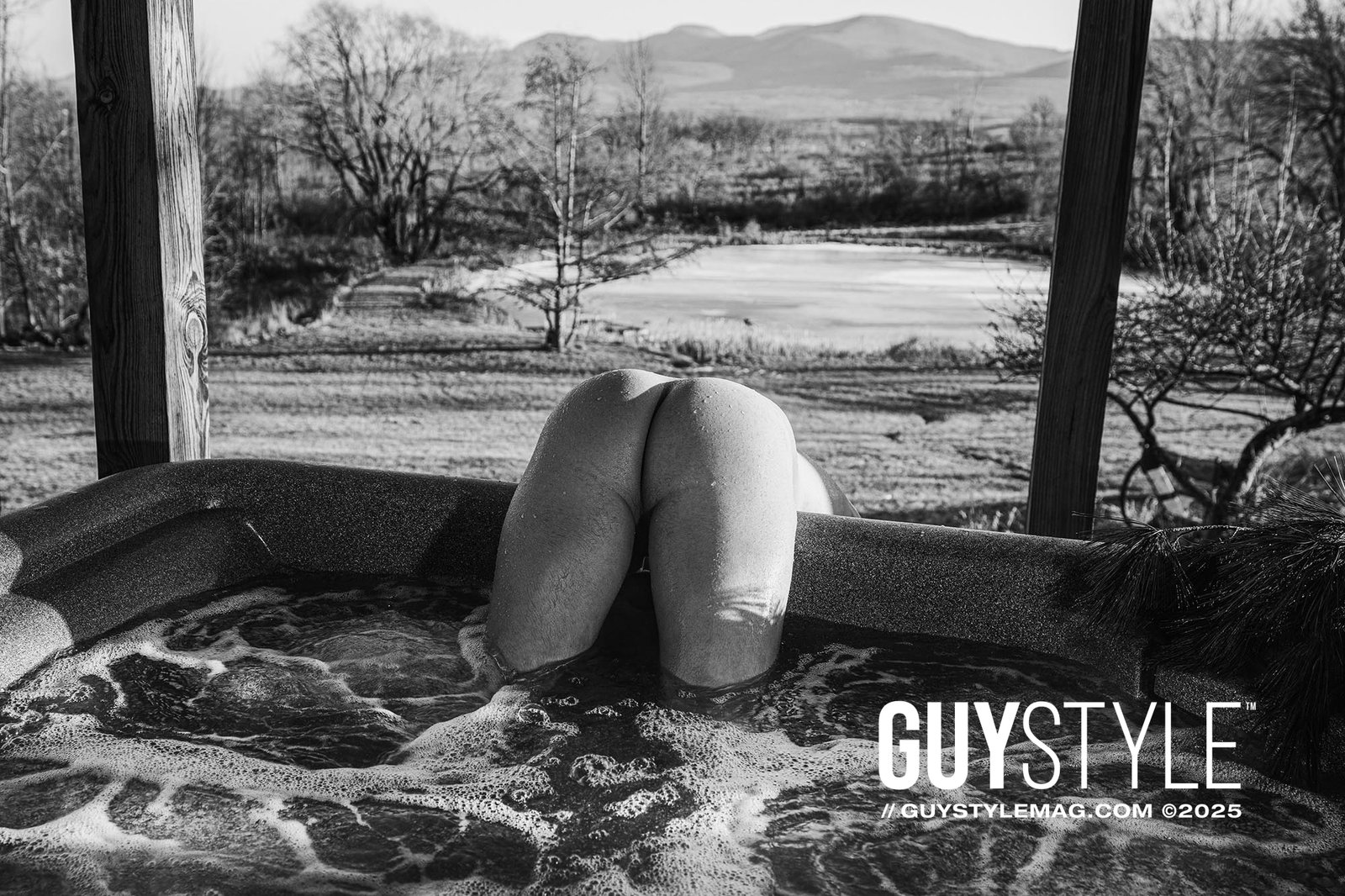
When I write about cocks, sweat, weight, and touch, I write against a long cultural project that treats queer desire as excess needing correction. Homoerotic art has always been political because it refuses correction. In essays published through Guy Style Mag and in fine-art editions released via HARD NEW YORK, desire appears without footnotes. It arrives as fact. Modern masculinity collapses when it tries to deny wanting; it deepens when it admits it.

Queer Masculinity and the American Myth
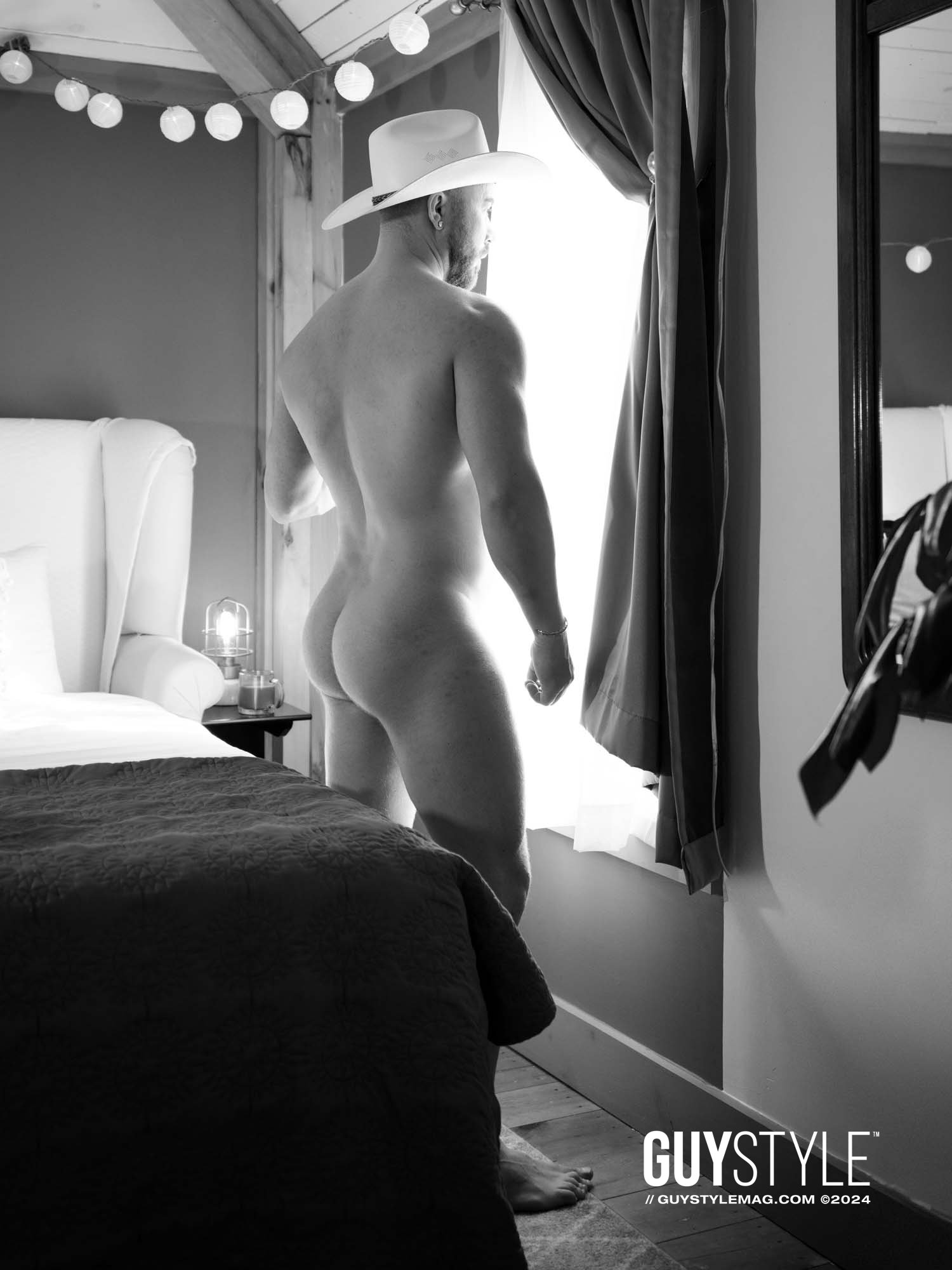
American masculinity remains obsessed with the figure of the cowboy: solitary, restrained, emotionally unreachable. My Cocky Cowboy universe takes that myth seriously enough to undress it. Through explicit editorial writing for Guy Style Mag and visual narratives produced by Duncan Avenue Studios, the cowboy becomes queer not as parody but as truth. The fantasy fractures. Tenderness enters. The myth finally admits how erotic it always was.

Technology, Flesh, and the Refusal of Erasure
I have written extensively about AI as an amplifier rather than an author—particularly in cultural essays for Hudson Valley Style Magazine. For queer artists, scale matters. Visibility protects. Technology, when guided by human desire rather than corporate panic, becomes a way to insist that queer masculinity will not return to the margins quietly. The body remains central. The tool merely carries it further.

The Ethics of Wanting
Masculinity has been trained to extract: pleasure without care, beauty without responsibility. My resistance to that model lives in craft. Limited editions, archival materials, deliberate slowness—these choices shape the work released through HARD NEW YORK. Wanting can be ethical. Desire can linger. A mature masculinity learns how to stay with what it touches.

What Masculinity Becomes When It Stops Hiding
Modern masculinity no longer needs to posture. It breathes. It feels. It holds lust without panic and intimacy without collapse. It allows men to be beautiful without apology and strong without cruelty. The through-line of my writing and homoerotic art—across Guy Style Mag, Hudson Valley Style Magazine, and Duncan Avenue Studios—rests on a single belief: masculinity evolves the moment it stops pretending it has nothing to desire.