What exactly is HARD NEW YORK? In this story, I unpack how my queer art project evolved into a gallery, store, and experiment in economic fine art, where homoerotic photography, fashion, commerce, and activism become parts of the same work. From bodily autonomy and artist ownership to sex work decriminalization and queer economic liberation, I explore a provocative question at the center of it all: if our bodies generate value, who gets to profit from them?
HARD NEW YORK: Queer Art, Economic Freedom, and the Human Right to Own Your Body – by Maxwell Alexander, MA(FIT)/BFA(SVA)
HARD NEW YORK Is the Artwork
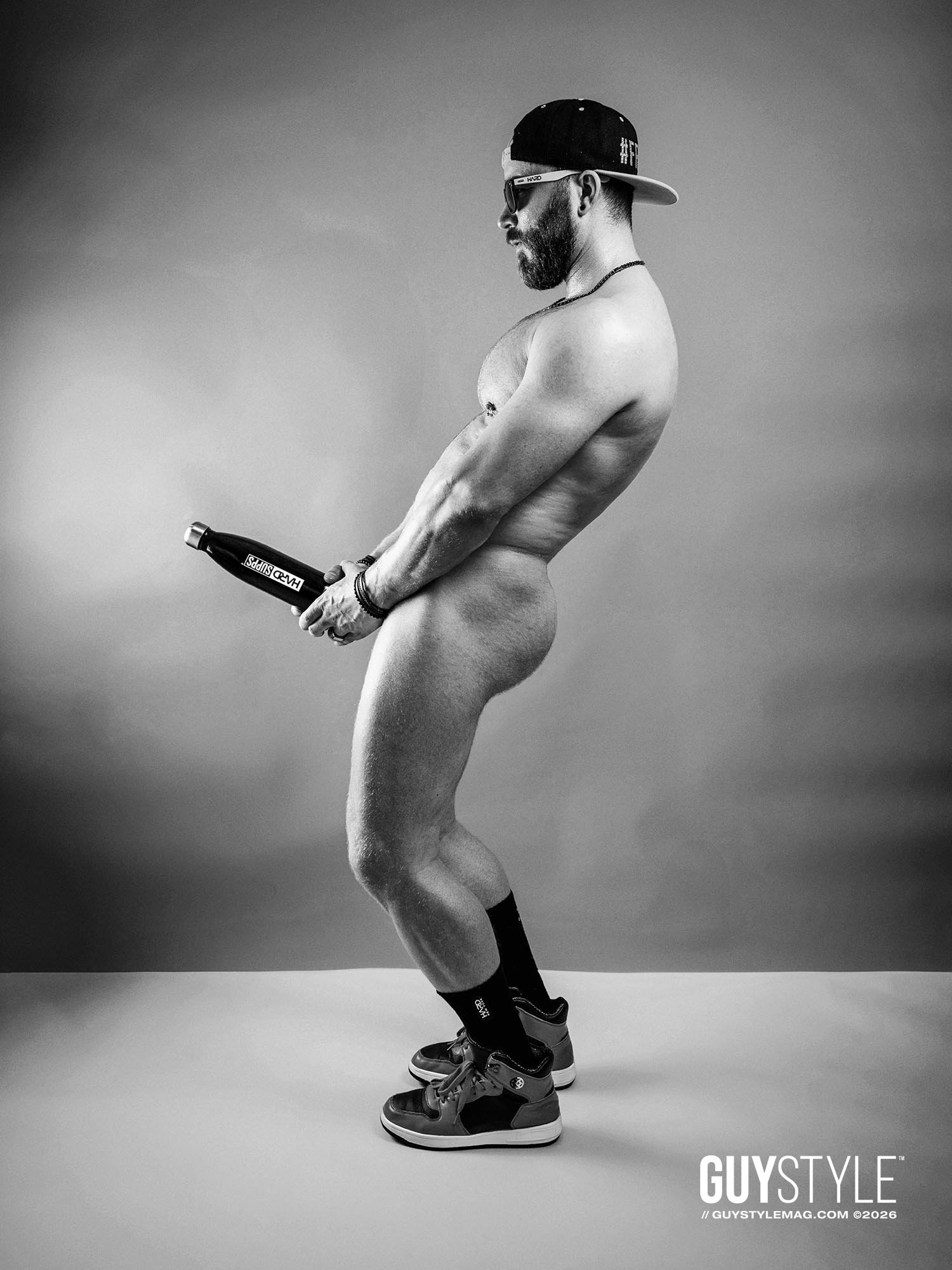
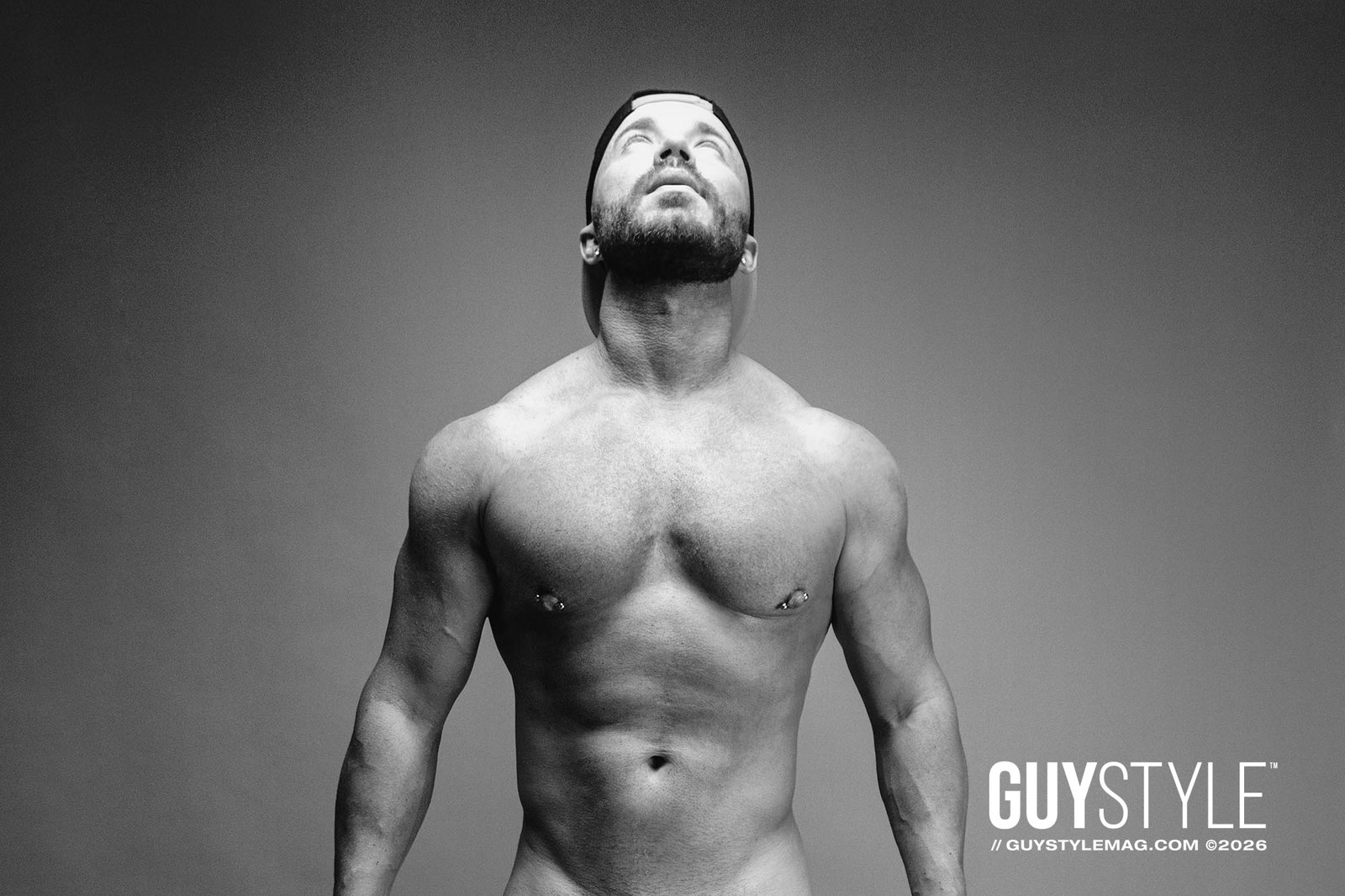
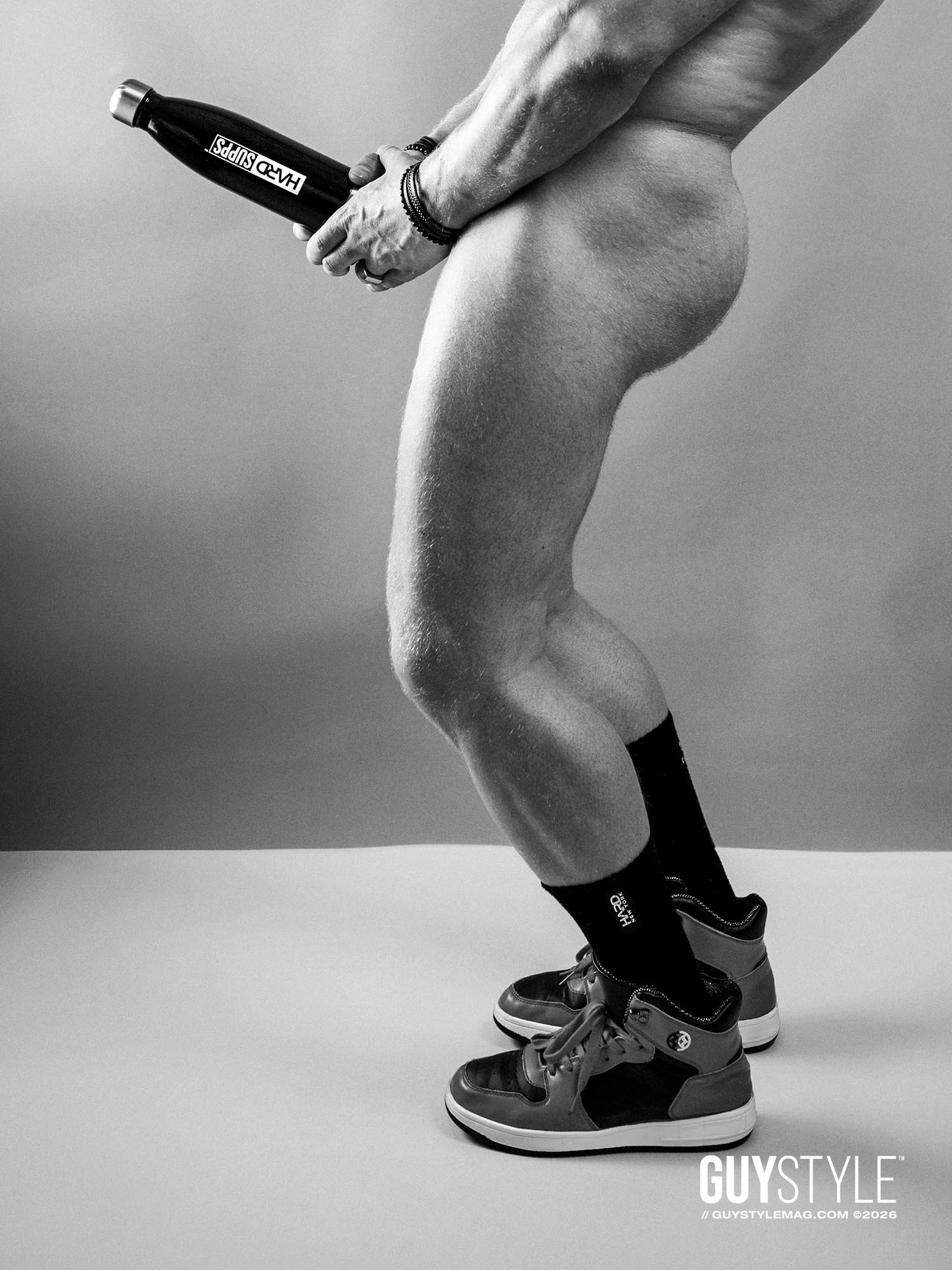
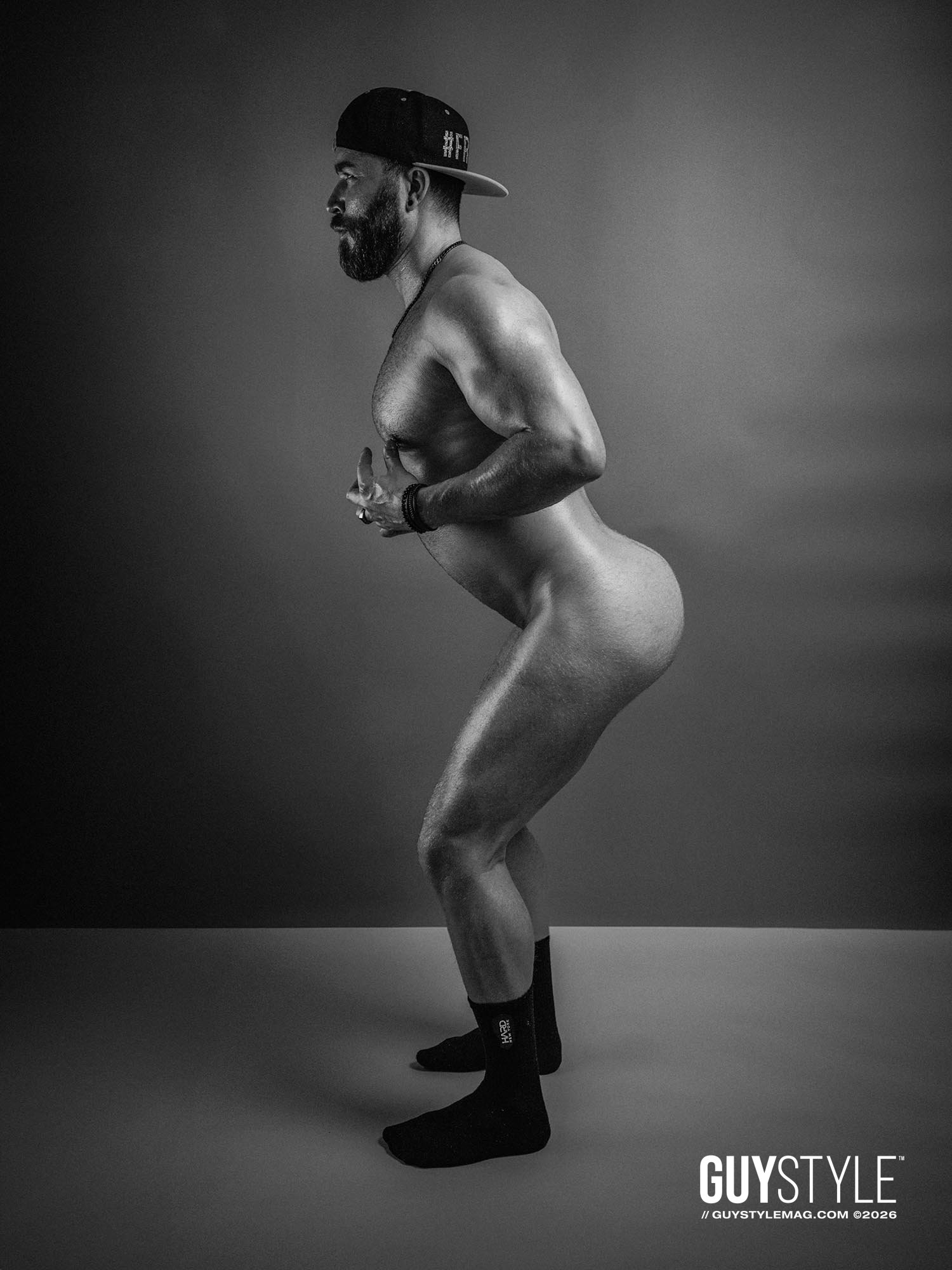
HARD NEW YORK is a gallery, a store, a fashion experiment, an art activism project, and an economic system built around my work as a queer artist. Trying to squeeze it into a conventional category rather defeats the purpose. The entire thing is the artwork. The photographs, homoerotic self-portraits, fine-art prints, fashion, objects, website, prices, transactions, and circulation of those images through culture operate together as a piece of working protest art. I call the idea economic fine art because the economic life of an artwork can carry meaning alongside its composition, scale, material, and subject. A beautiful naked man hanging on a wall can certainly make an argument about desire. A beautiful naked man who owns the photograph, controls its distribution, determines its price, and receives its economic value makes a considerably more provocative argument about power.
My Body, My Camera, My Economy
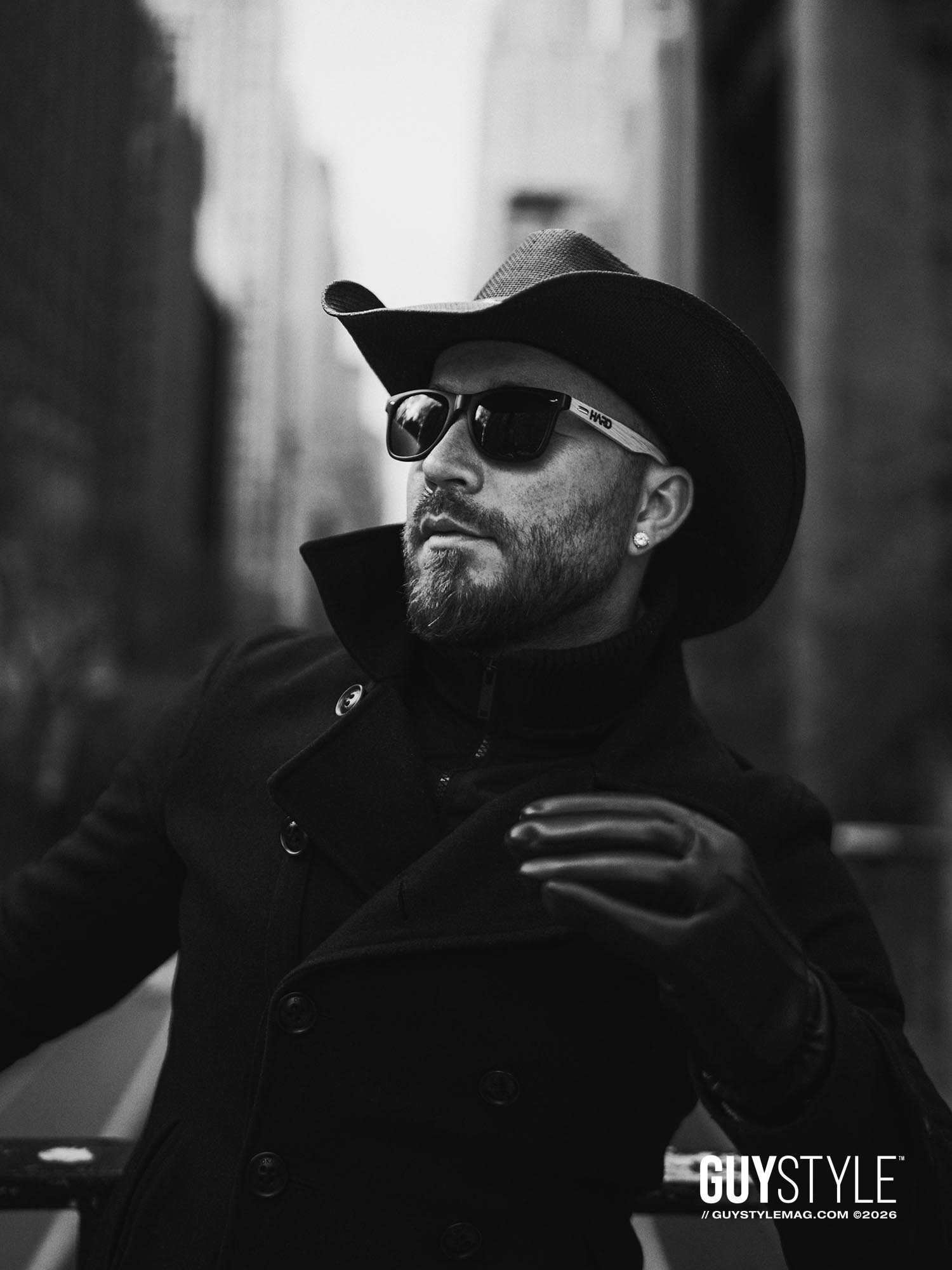
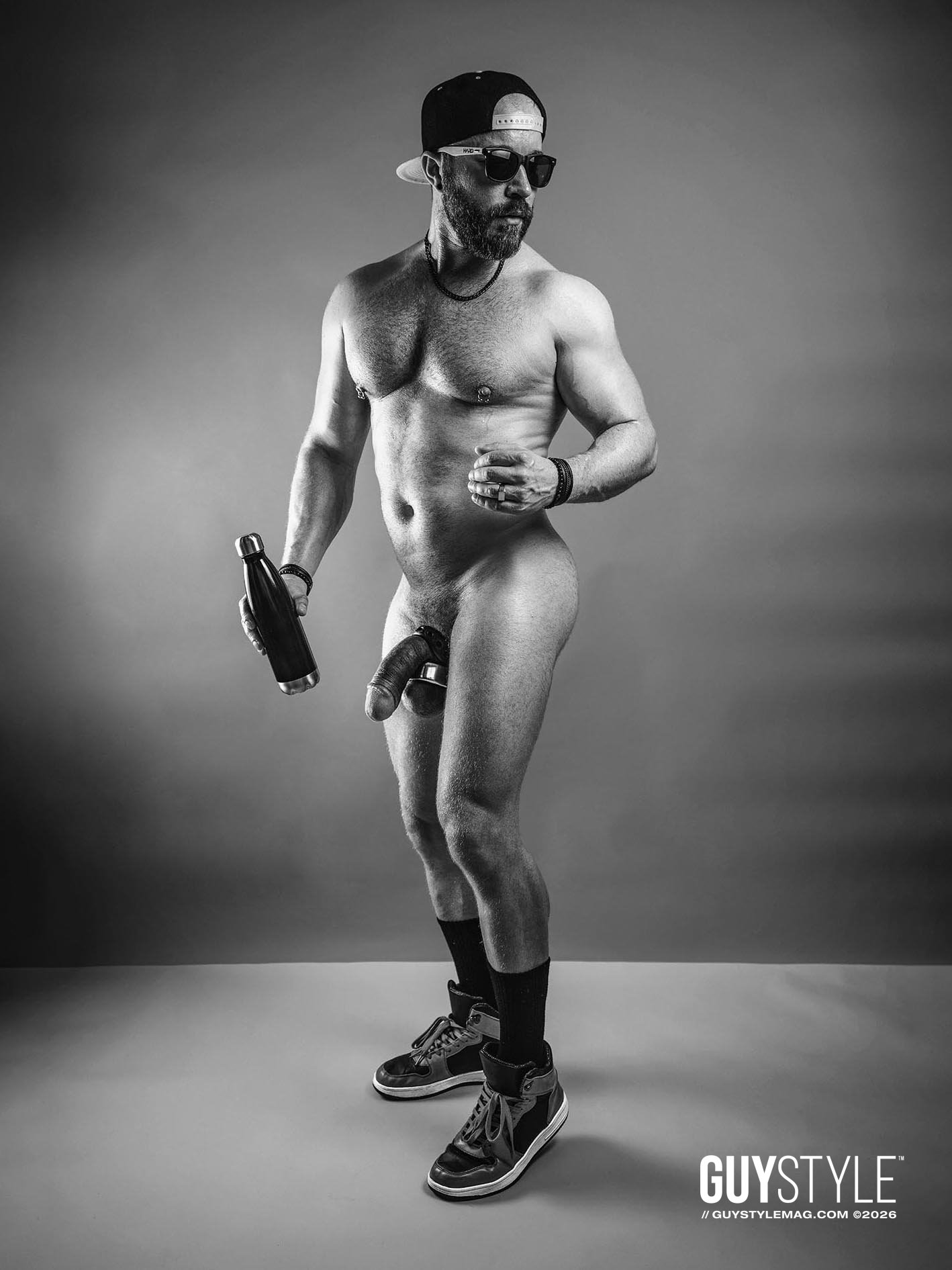
The male body has been one of my primary artistic materials for years, including my own. In self-portraiture I can occupy several positions simultaneously: photographer, model, art director, character, subject, object, intellectual property owner, and occasionally an overdressed homosexual wearing cowboy boots in circumstances where absolutely nobody requested a cowboy. That multiplicity matters because the camera historically establishes a relationship between the person looking and the person being looked at. Self-portraiture complicates that hierarchy. I control the lens and the body in front of it. HARD NEW YORK extends that autonomy beyond image-making into economics. I control how the resulting work enters the world, whether as collectible fine art, an accessible print, a book, fashion, or another physical object. The body becomes an artistic medium without surrendering ownership of itself.
Capitalism Already Loves Your Body
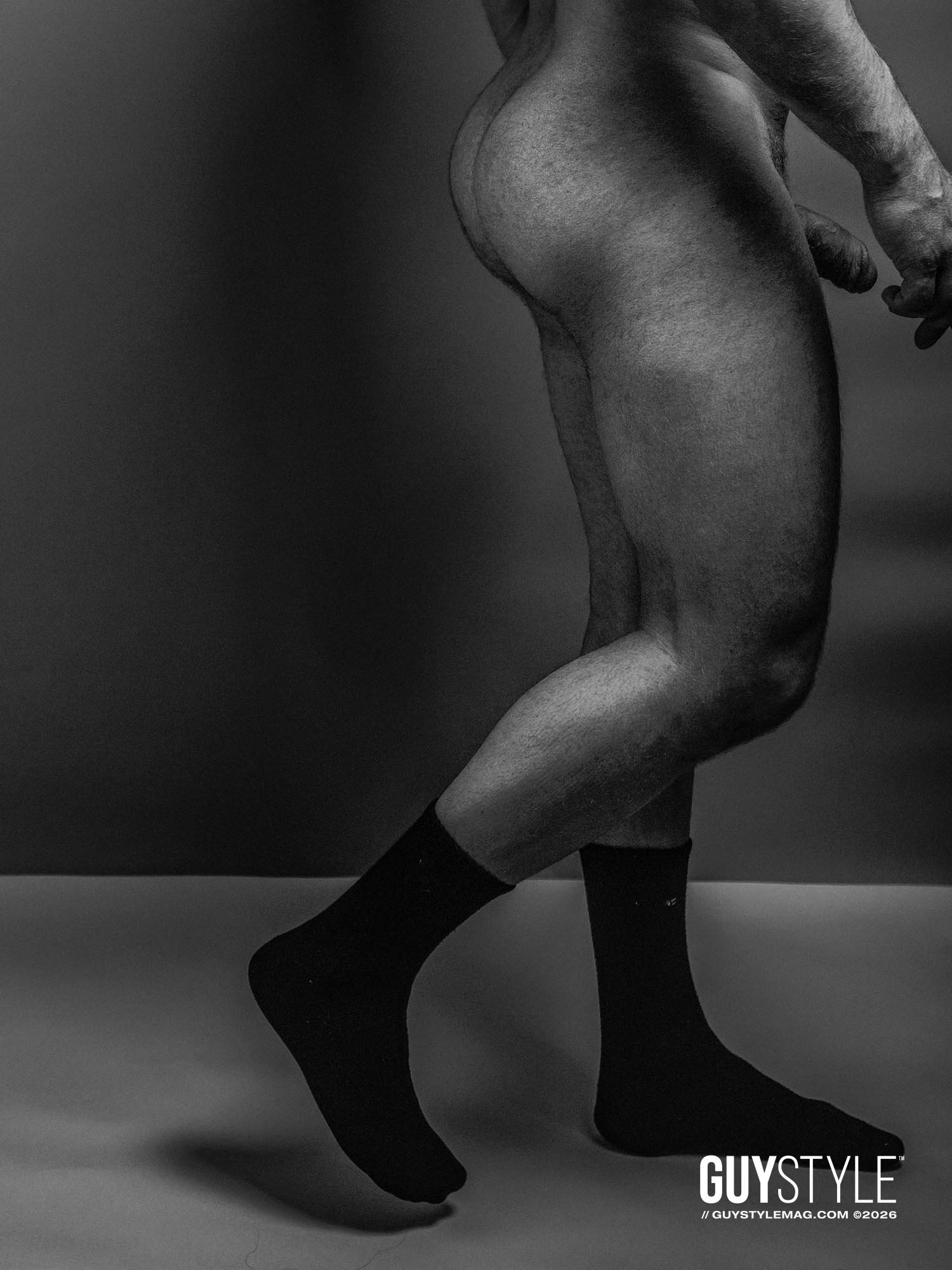
Our culture becomes strangely prudish whenever an individual claims economic agency over their own sexuality, which would be adorable if corporations had not spent the last century monetizing virtually every square inch of the human body. Beauty sells cosmetics. Sex sells fashion. Muscles sell fitness memberships. Faces sell social platforms. Loneliness sells dating subscriptions. Desire sells everything from underwear to automobiles, although I remain unclear about precisely how a shirtless man leaning against a luxury SUV improves its fuel economy. Human attention, attraction, insecurity, aspiration, sexuality, and identity have become enormously valuable commodities. The scandal therefore cannot be that bodies have economic value. They already do. The real question is who gets to collect it.
Queer Liberation Needs Economic Liberation
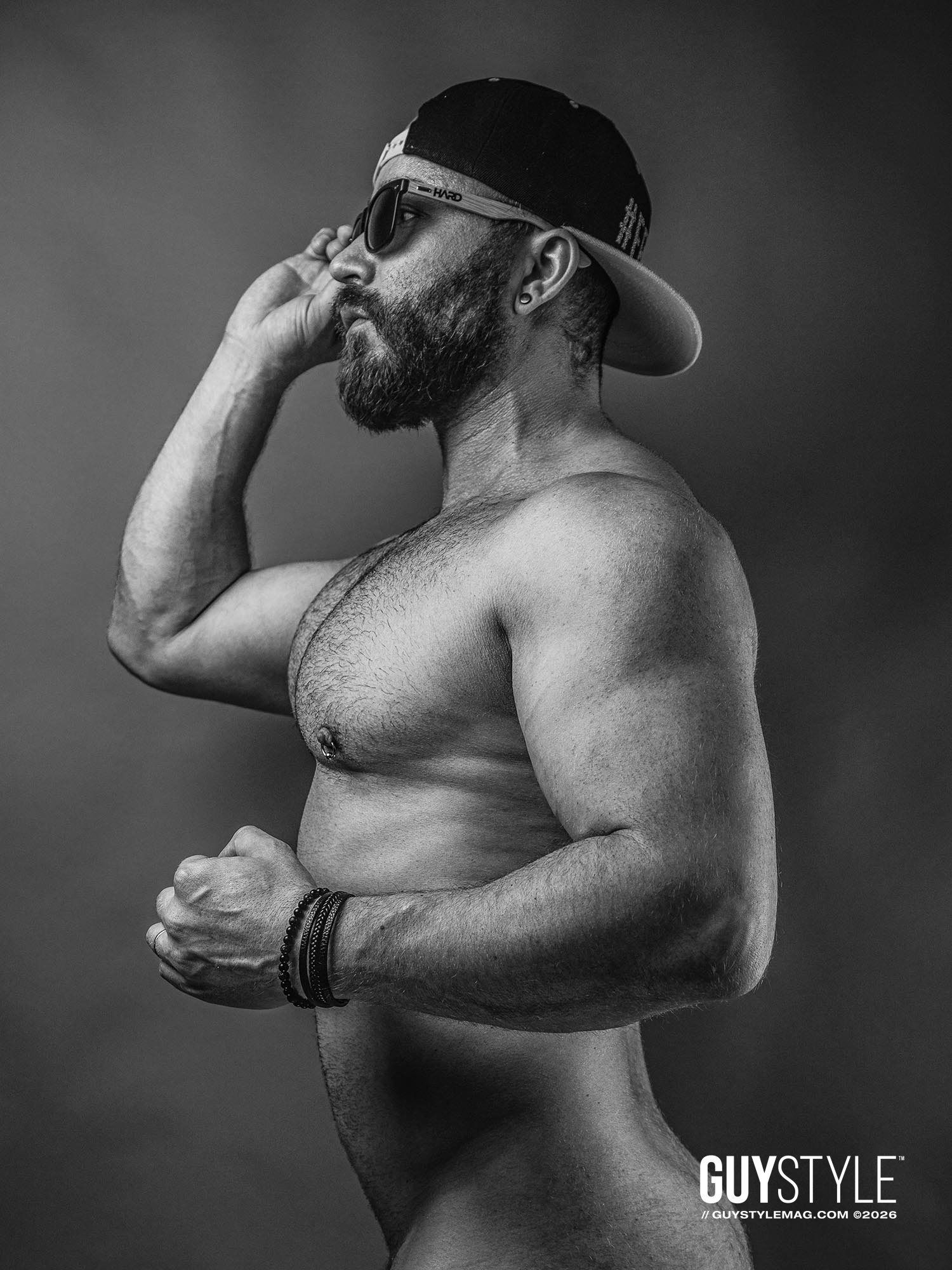
Queer liberation has always involved bodily autonomy, even when the language surrounding it changed across generations. Our bodies, relationships, sexuality, gender expression, families, nightlife, art, clothing, and public visibility have all encountered systems attempting to determine what was permissible. Winning the right to exist openly was transformative, but visibility alone cannot complete liberation when the economic structures surrounding that visibility remain concentrated elsewhere. A corporation can decorate itself with rainbows, advertise to queer consumers, extract our attention and convert our identities into market segments while calling the whole arrangement progress. Cute. HARD NEW YORK approaches liberation from another direction: ownership. Own the image. Own the intellectual property. Own the means of distribution. Own the economic relationship with the audience. Pride becomes considerably more powerful when it comes with equity.
Sex Work Exposes the Contradiction
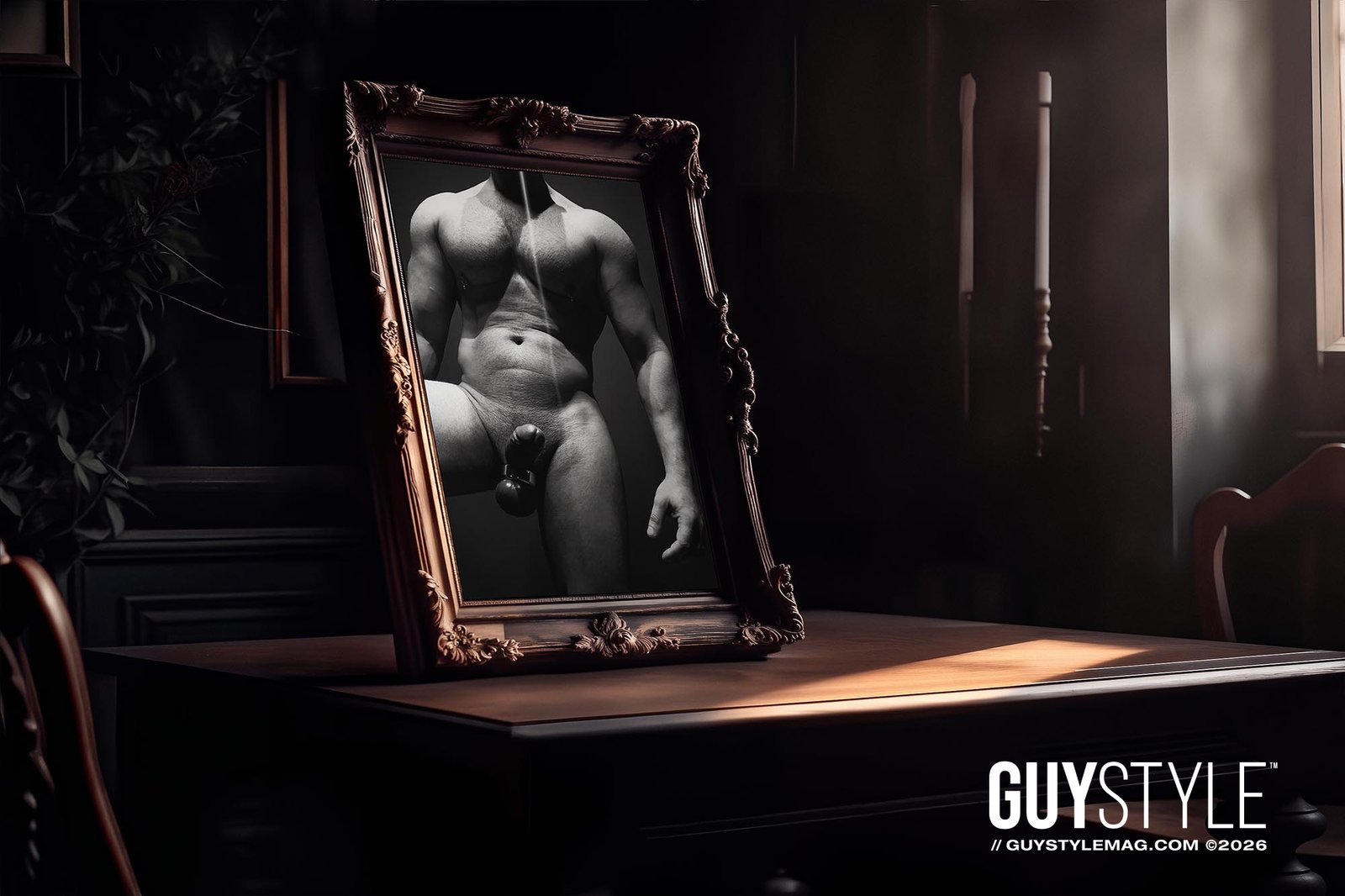
Sex work brings the argument about bodily economic autonomy into remarkably sharp focus because society already accepts countless ways people earn money through their bodies. Athletes monetize physical performance. Models monetize appearance. Actors monetize voice, emotion, face, and movement. Massage therapists monetize skilled touch. Construction workers monetize strength and endurance. Suddenly sexuality enters the transaction and Western civilization reaches for the fainting couch. Consensual adult sex work forces us to confront a fundamental question: if an adult possesses bodily autonomy, does that autonomy disappear when sex and money occupy the same room? HARD NEW YORK takes the position that consensual adults deserve sovereignty over their bodies and labor. Decriminalizing consensual adult sex work becomes part of a broader human-rights framework while laws protecting people from trafficking, coercion, violence, exploitation, and abuse remain essential. Protecting people from being forced to use their bodies and protecting people who freely decide how to use their bodies emerge from the same principle: human autonomy.
Economic Fine Art Is Protest That Actually Works
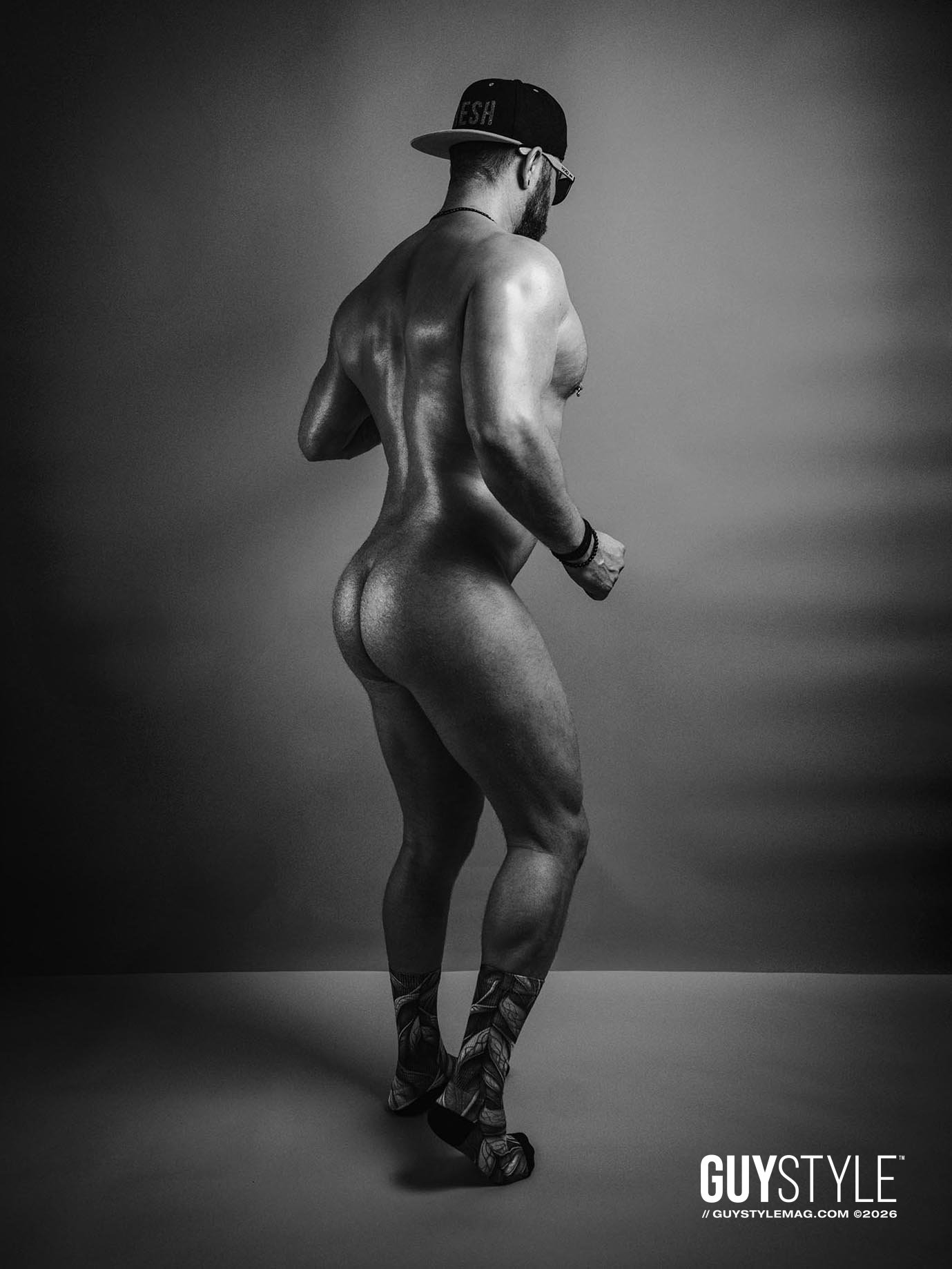
Traditional protest art often represents resistance through an object: a photograph, painting, poster, installation, performance, or slogan communicates opposition to an existing system. HARD NEW YORK interests me because the resistance can happen through the operation of the artwork itself. A queer artist produces the image, owns it, publishes it, distributes it, prices it, and participates directly in the economy surrounding it. A collector can acquire a significant fine-art piece while another person encounters the same visual language through an accessible edition or wearable object. The hierarchy between gallery and store begins to dissolve, and distribution becomes another artistic medium. I am less interested in placing a sign inside the machine announcing that capitalism has problems than in building a tiny alternative machine next door, preferably one with better lighting, excellent typography, and considerably more ass.
The Radical Right to Own Yourself
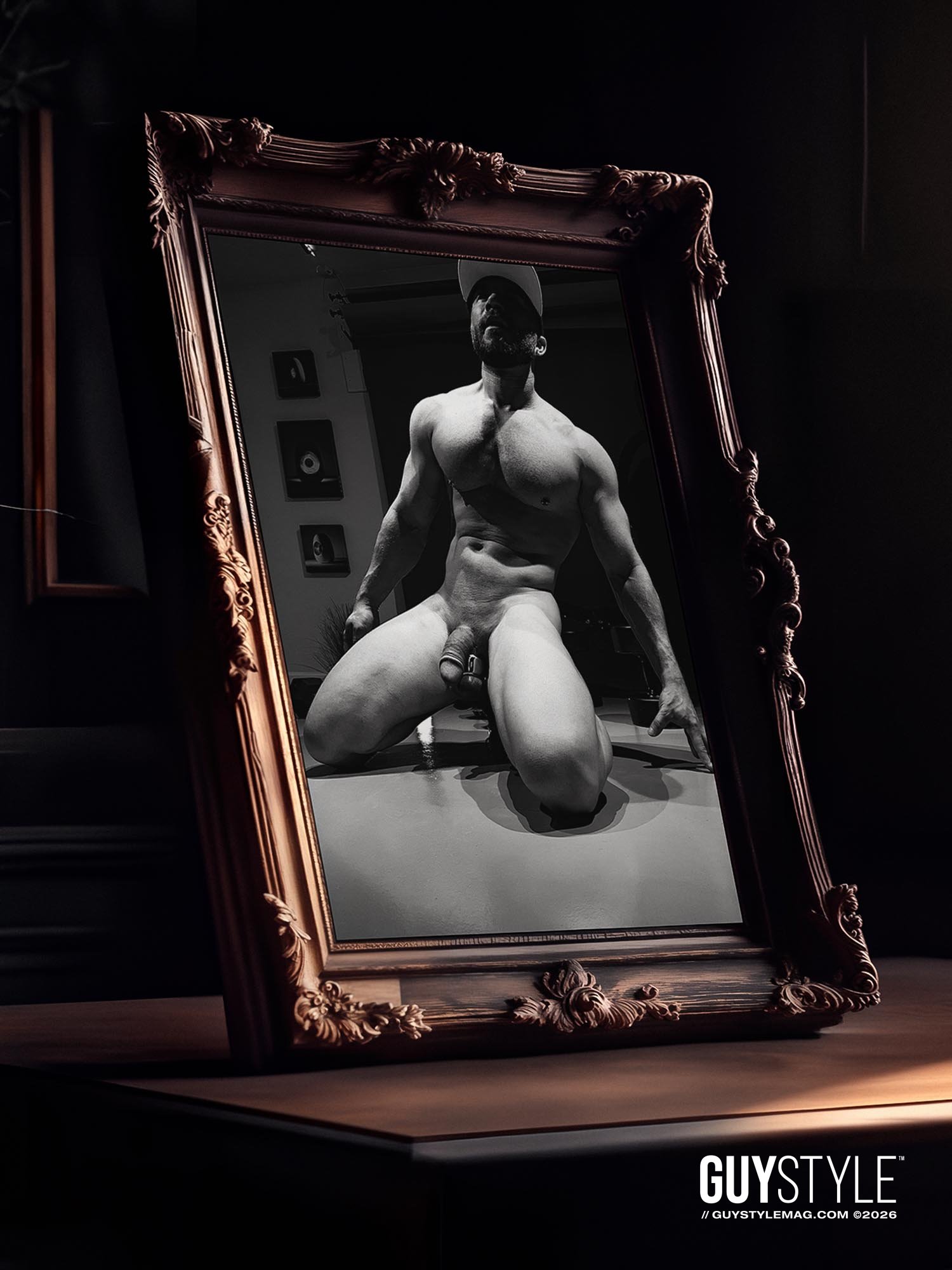
HARD NEW YORK ultimately asks who owns the economic value of being human. Digital platforms monetize our faces, conversations, friendships, desires, movements, attention, creativity, and identities at extraordinary scale. We provide the human experience; somebody very far away buys another yacht. The next evolution of bodily autonomy has to include economic autonomy: the right to control our images, our creative labor, our sexuality, and the value generated through them. For queer people, that continues a liberation project generations in the making. For sex workers, it means safety, dignity, agency, labor rights, and decriminalization of consensual adult work. For artists, it means ownership and direct participation in the economies our work creates. And for everyone else, the proposition is wonderfully uncomplicated: your body belongs to you. Your humanity belongs to you. The economic value generated by your existence should begin with you. HARD NEW YORK puts that proposition to work, one photograph, print, object, body, and gloriously inappropriate pair of cowboy boots at a time.