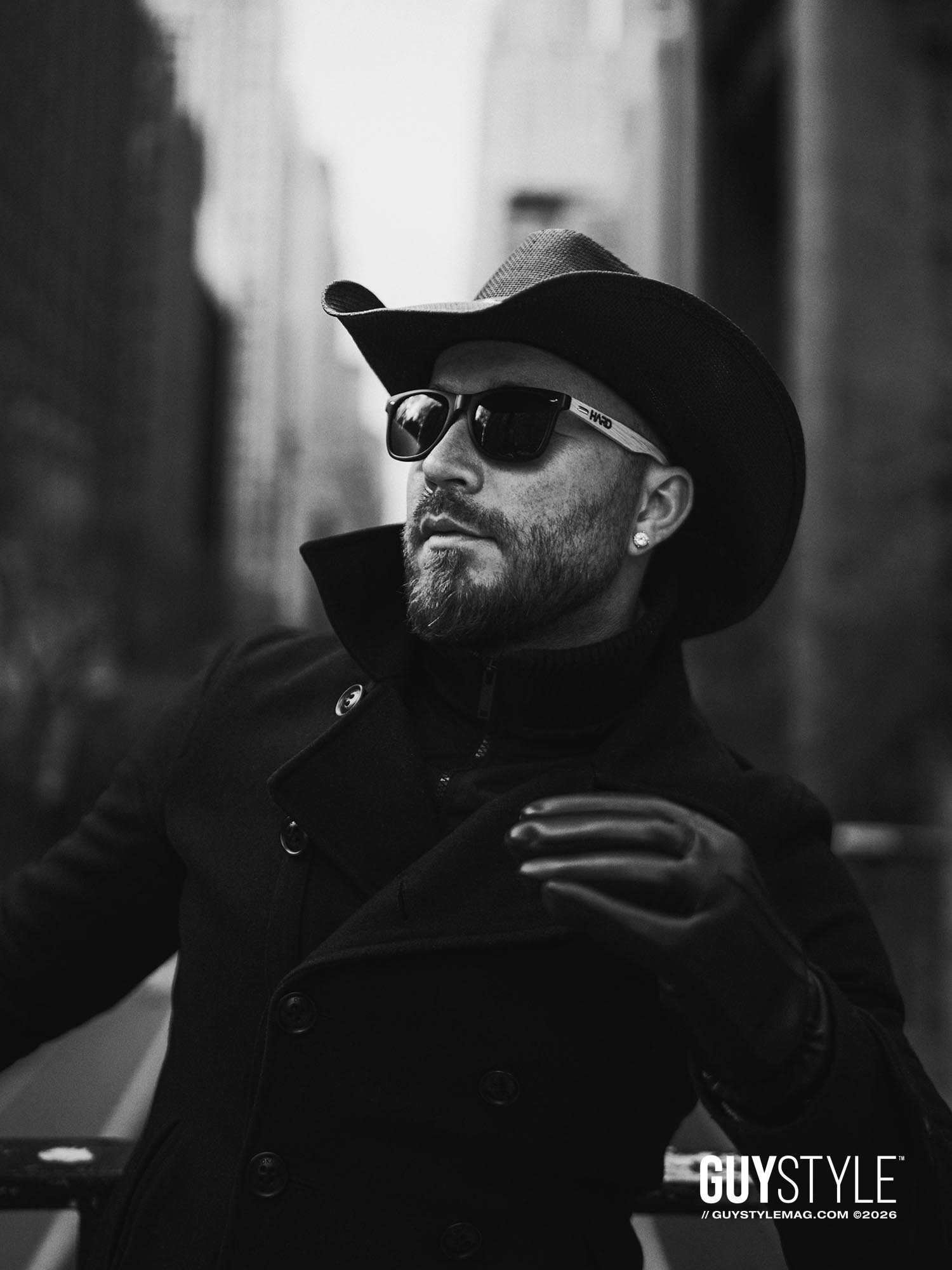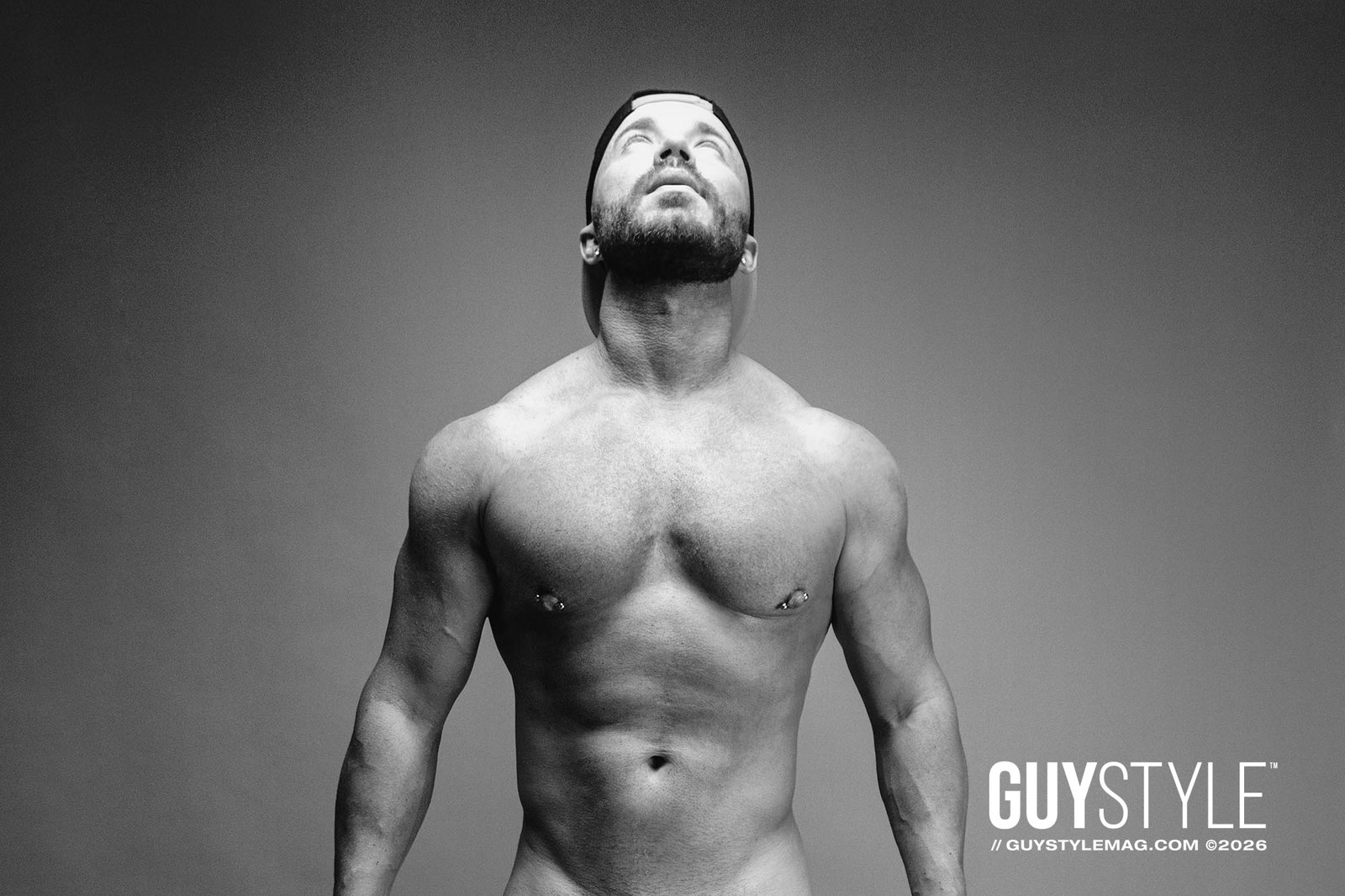
The male body has occupied a central place in art for centuries, from classical sculpture and Renaissance studies of anatomy to modern photography, performance, and contemporary queer art. Queer boudoir photography enters that lineage with its own visual language: intimate, sensual, self-aware, and deeply connected to identity.
For gay men, the camera can become a way to explore masculinity, vulnerability, eroticism, strength, softness, and the complicated relationship many men have with their own bodies. Fine art photography allows those experiences to exist without apology. The male form becomes a subject worthy of beauty, curiosity, and serious artistic attention.
Queer Boudoir, the Male Form and the Art of Being Seen — Fine Art Photography, Self-Expression and Modern Masculinity

Maxwell Alexander and the Male Form as Fine Art
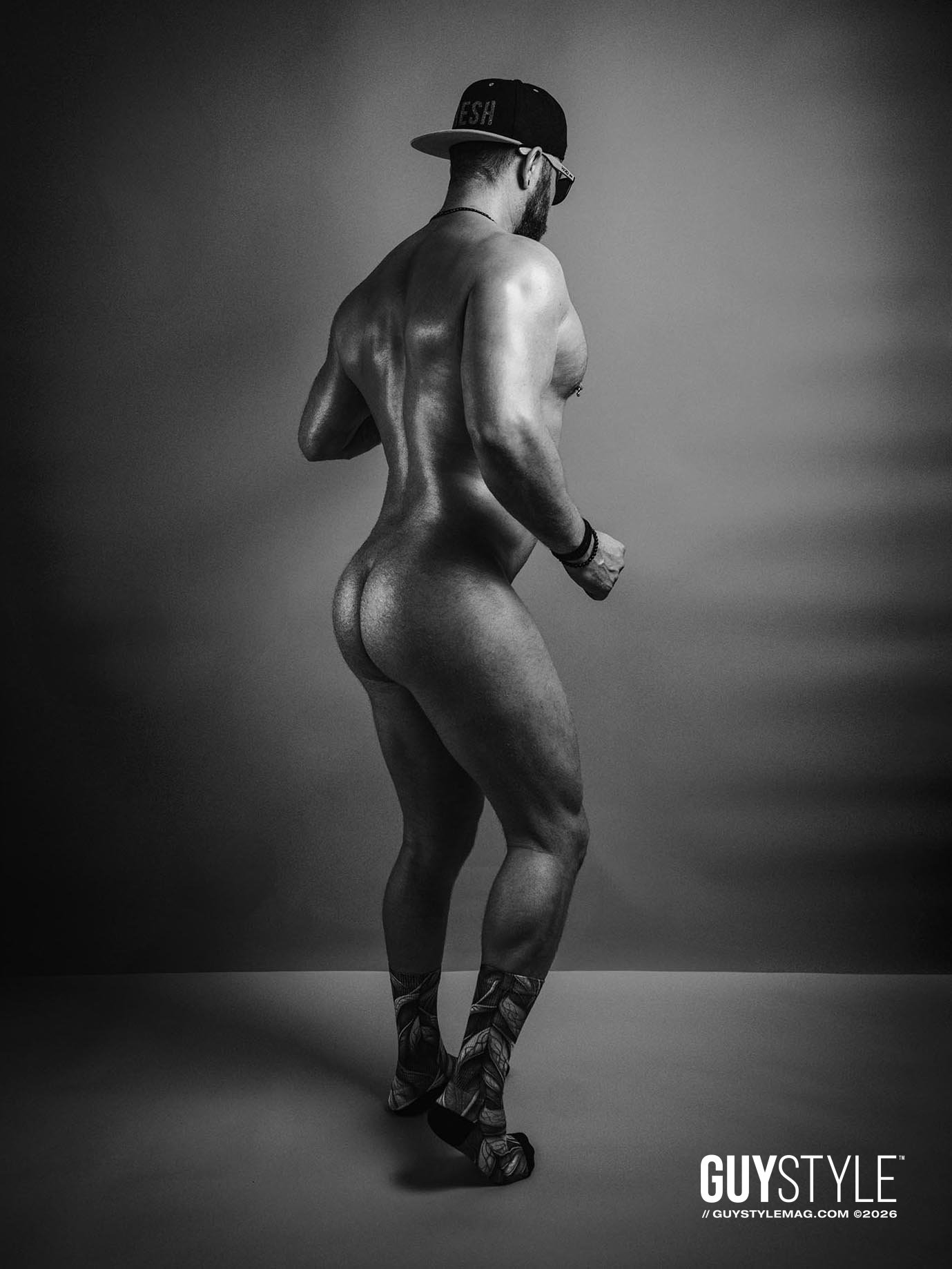
Maxwell Alexander approaches queer boudoir photography through the language of fine art, with the male body treated as form, gesture, structure, and emotional presence. Musculature, skin, posture, light, shadow, and negative space become compositional elements rather than decoration.
The work also reflects a broader queer artistic tradition that places sexuality inside the frame instead of editing it away. Desire can coexist with elegance. Nudity can coexist with emotional depth. Masculinity can appear strong, tender, theatrical, erotic, introspective, or several of those things at once.
That range matters because the male form becomes more compelling when it escapes narrow expectations about how men should look, move, or present themselves. Photography gives the body room to become expressive.

Queer Boudoir and Body Positivity
Queer boudoir creates space for gay men to see the male body through a wider lens. Bodies can be muscular, soft, lean, hairy, smooth, youthful, mature, heavily trained, naturally built, or somewhere between every familiar category. Photography can honor each of those bodies through composition instead of ranking them against a single ideal.
Body positivity becomes more meaningful when it moves beyond reassurance and enters the visual culture itself. Seeing varied male bodies photographed with care and aesthetic intention can change how beauty is understood. The body becomes worthy of attention because it belongs to a human being with presence, history, sexuality, and personality.
For the subject, participating in a boudoir portrait can also shift perception. Standing in front of a camera with intention can turn familiar insecurities into visual material. Shape, scars, body hair, age, musculature, softness, and sexuality become part of the portrait instead of details requiring correction.

Visibility as an Artistic and Cultural Act
Queer visibility carries artistic weight because representation shapes what people imagine to be beautiful, dignified, desirable, or worthy of serious attention. Photography has enormous power in that process because images can enter memory more directly than argument.
Male boudoir portraits can challenge rigid expectations around masculinity simply by showing men as sensual subjects. A man can be admired, desired, photographed, vulnerable, erotic, and emotionally present without losing any dimension of masculinity.
For gay men, that visual permission can be especially meaningful. Seeing queer bodies treated with beauty and dignity can create recognition where mainstream visual culture once offered very little. Representation becomes more than visibility; it becomes evidence that queer experience belongs inside the artistic record.

Photography, Mental Health and the Experience of Being Seen
Self-expression can play an important role in emotional wellbeing. Photography offers one way to externalize feelings that can be difficult to articulate through language alone. Pose, gaze, gesture, clothing, nudity, light, and movement can all communicate something about how a person sees himself or wants to be seen.
For gay men, that experience can carry additional meaning because body image, sexuality, masculinity, and visibility often intersect. A portrait session can become an exercise in agency: choosing what to reveal, how to inhabit the frame, how to present the body, and how much vulnerability to allow into the image.
Art cannot replace professional mental-health care when clinical support is needed, yet creative expression can still support self-awareness, confidence, and emotional processing. Making or participating in art gives people a way to explore identity with curiosity instead of judgment.

The Male Body Beyond Fitness and Performance
Contemporary culture often presents the male body through performance: stronger, leaner, faster, younger, more disciplined. Fine art can look at the same body differently. Muscle becomes contour. Skin becomes surface. Breath changes posture. Fatigue, softness, tension, and stillness become visual information.
That shift creates room for bodies to exist outside constant measurement. The photographed subject can simply inhabit the frame.
Queer boudoir adds sexuality to that experience without reducing the person to sexuality. An erotic image can also be contemplative. A nude portrait can also be formal. A muscular body can communicate vulnerability, while a relaxed body can communicate strength.

Movement, Physicality and the Queer Male Form
The body changes when it moves. Muscles contract, posture shifts, skin stretches, breath becomes visible, and the relationship between the figure and the surrounding space changes from moment to moment. For a photographer, that physicality creates endless possibilities.
Bodybuilding, yoga, stretching, dance, and athletic movement can all become fine-art studies of the male form. The purpose changes once the camera enters the conversation. A movement associated with training can become a study of line. A pose can become sculpture. Sweat can catch light and turn effort into texture.
Queer art also allows physicality and sexuality to occupy the same image without embarrassment. Desire can remain present while the photographer concentrates on form, rhythm, composition, and emotional tone.

The Role of Queer Boudoir Photography in Contemporary Art
Queer boudoir belongs within the larger history of artists using the human body to explore culture, intimacy, power, identity, and desire. The camera can document the body while also transforming it through framing, light, gesture, and point of view.
That artistic territory becomes especially rich when queer men photograph queer men. Shared cultural understanding can shape the atmosphere of an image, the way masculinity is interpreted, and the subtle distinction between looking at a body and truly seeing the person inside it.
The work also preserves experiences that have often been excluded from conventional art histories. Gay intimacy, male sensuality, erotic self-expression, queer masculinity, and the beauty of the male nude deserve space within contemporary visual culture because they are part of human experience.

Self-Expression as a Form of Emotional Freedom
Creative expression gives people a way to make inner experience visible. Fashion can do it through clothing. Dance can do it through movement. Photography can do it through image, body, light, and gesture.
For queer people, this freedom can carry particular emotional significance. Many gay men learn early to monitor how they stand, speak, dress, move, or express desire. Art offers another possibility: a space where those impulses can be explored rather than restrained.
A boudoir portrait can therefore become more than an image of a body. It can record a moment of self-permission. The subject decides how masculine, sensual, vulnerable, glamorous, erotic, powerful, or playful he wants to appear. That choice becomes part of the artwork.
The Queer Male Form Belongs in Fine Art
The male body deserves the same artistic complexity afforded to every other human subject. It can be erotic without becoming trivial. It can be nude without losing dignity. It can be muscular without becoming purely athletic. It can be vulnerable without becoming weak.
Queer boudoir photography expands that visual language by bringing gay identity, sexuality, body confidence, and modern masculinity into the frame together. The result can be sensual and serious, intimate and sculptural, deeply personal and culturally relevant.
Fine art gives us permission to look closely. Queer art asks us to consider whose bodies have historically been allowed to occupy that gaze. Male boudoir photography answers with a body fully present in the frame: seen, expressive, desirable, complicated, human, and worthy of becoming art.